

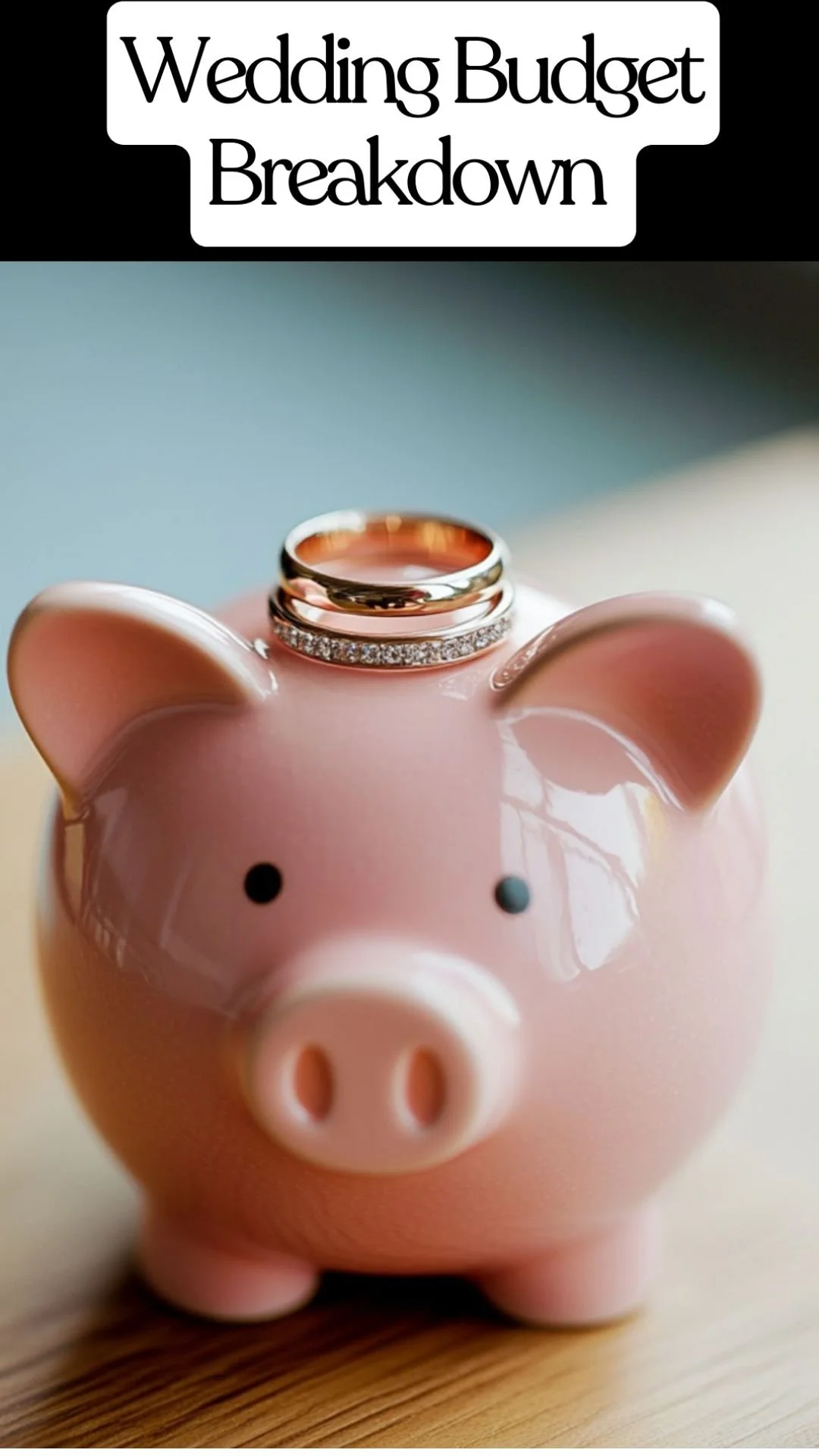
"What's Your Budget?" — Why We Ask, and Why It's Okay to Answer
Excerpt:
"What's your budget?' It's the question that makes most couples shift in their seats. Here's why we ask, why it's not a trick question, and why your number is always safe with us."
It's often the first real question in a planning conversation, and it's the one that makes couples shift in their seats. What's your budget?
We understand the hesitation. Talking about money feels personal, even a little exposing. There's a fear of being judged for the number, a worry that saying it out loud locks you into overspending, or a suspicion that the moment you name a figure, it becomes the ceiling a planner will quietly aim for. So couples deflect — "we're flexible," "we haven't really decided," "just show us what's possible and we'll figure it out."
It's a completely understandable instinct. It's also the thing most likely to work against you.
The Budget Isn't a Test — It's a Tool
We don't ask for a budget to judge you, and we're not trying to spend every last dollar of it. We ask because it's the single most useful piece of information for making your day actually happen the way you're imagining it.
Think of it less like a confession and more like a compass. Without it, we're planning in the dark — recommending venues, vendors, and design ideas that might be completely out of step with what's realistic for you. With it, every recommendation we make from that point forward is one you can actually say yes to.
A budget doesn't limit your wedding. It's what makes sure every rand or dollar goes toward what matters most to you, instead of being spread thin across everything.
What Happens When We Don't Know It
When couples are vague about budget, planning doesn't get more flexible — it gets slower and more frustrating for everyone involved.
We end up presenting options across a wide range, and couples spend valuable time falling in love with venues, florals, or menus that turn out to be far outside what they're comfortable spending. That's not just disappointing — it's avoidable heartbreak. Every one of those detours costs time, and in wedding planning, time is often the resource you have the least of.
Working with a real number from the start means we can move faster, recommend with confidence, and protect you from ever having to fall out of love with something you can't have.
A Budget Isn't a Fixed Line — It's a Starting Point
One thing we always tell clients: a budget conversation isn't a contract. It's a starting point for a conversation, not a number carved in stone.
If you're unsure, a range is enough. If you genuinely don't know what's realistic, tell us that too — "we don't know what things cost" is one of the most useful things a couple can say to us, because it lets us guide you with real numbers instead of guessing at your comfort level.
What we can't work with is silence, because silence gets filled with assumptions — and assumptions are where budgets quietly spiral.
Your Number Is Safe With Us
Here's what we want every couple to know: your budget conversation stays between us. It's not shared with vendors as a target to hit, and it's not a judgment of your taste, your priorities, or how you choose to spend on your own wedding.
What it is, is the information that lets us do our job well — protecting your vision, negotiating on your behalf, and making sure the day you walk away with is one you can enjoy fully, without financial stress following you into the marriage.
So when we ask "what's your budget?" — know that it's not a trick question. It's the first real step toward building a day that's both beautiful and realistic, for you.
dO YOU REALLY NEED A WEDDING PLANNER?
“Do you really need a wedding planner?
Every couple reaches the same moment in their engagement — somewhere between the Pinterest board and the venue tour — where the question comes up: do we really need a wedding planner, or can we manage this ourselves”
Every couple reaches the same moment in their engagement — somewhere between the Pinterest board and the venue tour — where the question comes up: do we really need a wedding planner, or can we manage this ourselves?
It's a fair question. Weddings are personal, and no one knows your love story better than you do. But planning a wedding well takes more than taste. It takes time, industry relationships, and the ability to hold a hundred moving pieces in your head without dropping a single one — all while staying calm on the one day you're not supposed to be working at all.
Here's what a wedding planner actually brings to the table, when to bring one on, and how to choose the right one for you.
What a Wedding Planner Actually Does
The title undersells the job. A good wedding planner isn't just someone who books vendors and prints a timeline — they are your project manager, your budget guardian, your design director, and your calm in the storm, all at once.
Before the wedding, that means:
Translating your vision into a realistic budget, and protecting that budget from the small decisions that quietly add up
Sourcing and vetting vendors — florists, caterers, photographers, décor teams — who fit your style, your budget, and each other
Managing contracts, deposits, and payment schedules so nothing falls through the cracks
Designing the look and feel of the day, from the colour palette to the table settings to the lighting
Building a detailed run-of-show that accounts for everything from load-in times to the sunset for golden-hour photos
On the wedding day, your planner is the reason you get to actually be present. They're the one troubleshooting the delivery that arrived late, cueing the bridal party, managing vendors, and quietly solving problems you'll never even hear about — so that your only job is to enjoy the day you spent months building.
When Should You Book a Wedding Planner?
The short answer: earlier than you think.
The biggest myth about wedding planners is that they're a service you bring in once the "real" decisions are made — the venue is booked, the date is set, and you just need someone to run the day. In reality, the earlier a planner joins, the more value they add, because the biggest savings in both money and stress happen at the very beginning.
As a general guide:
12+ months out — Ideal. This is when a planner can help you choose your venue and date strategically, build a realistic budget from scratch, and lock in the best vendors before their calendars fill up.
6–9 months out — Still a great time to bring a planner in. There's enough runway to design the day properly and secure strong vendors, though some popular dates and venues may already be limited.
3 months or less — This is where couples often reach out for "month-of" or "day-of" coordination — a planner who steps in once most decisions are made to manage logistics, vendors, and the day itself. It's still valuable, but the planner has far less room to shape the overall experience.
If you're unsure, book the consultation early. Most planners will tell you honestly whether you need full planning, partial planning, or day-of coordination — there's no obligation to sign on for more than you need.
What to Look For in a Wedding Planner
Not every planner is the right fit for every couple, and choosing well matters more than choosing fast. A few things worth paying attention to:
Portfolio that matches your style. A planner known for grand, opulent weddings may not be the right fit for an intimate garden ceremony, and vice versa. Look for a body of work that already reflects the aesthetic you're drawn to.
Clear communication and process. Ask how they structure planning — what tools they use, how often you'll meet, and how they handle vendor communication. A planner with a clear process will keep you organised without overwhelming you.
Vendor relationships. Established planners bring more than a contact list — they bring trust, which often translates into better service, smoother communication, and sometimes better rates from vendors who know and trust their work.
Transparency around cost. A good planner will be upfront about their fee structure, what's included, and where the line sits between planning services and the vendor costs themselves.
A personality you actually enjoy. This is the person you'll be in close contact with for months, often during high-stress moments. Chemistry matters. Trust your instinct in the first conversation.
The Bottom Line
A wedding planner isn't a luxury reserved for elaborate celebrations — they're an investment in your time, your budget, and your ability to actually enjoy your own wedding day. The right planner doesn't take the wedding away from you; they protect your vision and carry the weight of executing it, so you can walk down the aisle present, not exhausted.
If you're in the early stages of planning and want a conversation about what that could look like for your day, we'd love to hear your story.
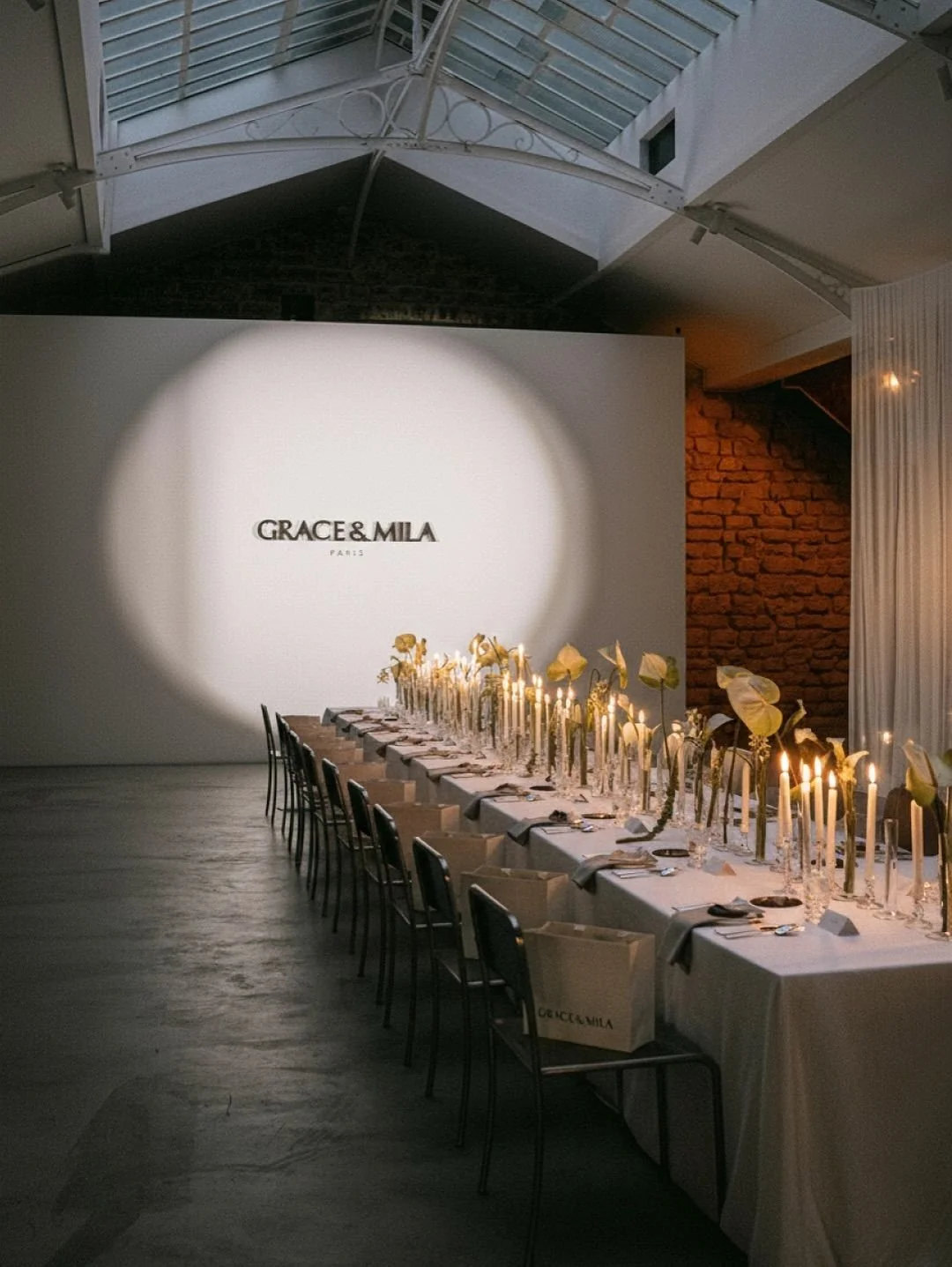
Why We Started Bloom and Host Studio: Creating Events That Feel Like Art
Bloom and Host Studio was created from a love for meaningful gatherings, refined details, and beautifully curated experiences. In this first journal entry, we share the story behind our brand, our vision for modern luxury events, and the philosophy that inspires every celebration we create.
Some special moments deserve more than a venue and beautiful flowers.
They deserve intention. Atmosphere. Emotion. The kind of experience guests remember long after the event ends.
Bloom and Host Studio was created from a love for meaningful gatherings and beautifully curated spaces — where every detail feels thoughtful, elevated, and effortless.
After years of working within the events industry, we saw how much impact intentional design and seamless hosting can have on an experience. We also saw the difference between simply decorating an event and truly creating an atmosphere.
That difference became the heart of Bloom and Host Studio.
Our vision is simple: to create events that feel refined, timeless, and deeply personal. Whether it’s an intimate celebration, a luxury wedding, a corporate event, or a styled gathering, we believe every event should tell a story.
At Bloom and Host Studio, we focus on more than aesthetics alone. We believe luxury is found in the feeling an event creates — the calmness of a well-planned experience, the warmth guests feel when they arrive, the beauty of details working together effortlessly.
We are inspired by modern elegance, soft textures, intentional styling, natural beauty, and unforgettable guest experiences. Every table setting, floral arrangement, lighting choice, and design element is selected with purpose.
The name “Bloom and Host” reflects exactly what we stand for:
to create beauty while making people feel welcomed, celebrated, and cared for.
As we begin this journey, we are excited to build experiences that feel both luxurious and genuine — events that leave lasting impressions without ever feeling overdone.
This is only the beginning for Bloom and Host Studio, and we cannot wait to bring beautiful experiences to life.
Welcome to our world.
— Bloom and Host Studio